
The Hidden Life of a Clearance Truckload
Nobody thinks much about where a pallet of clearance goods has been. I did not either, until I started buying truckloads and noticed how much the journey explains - why some pallets are pristine, why manifests lie a little, why one supplier's "overstock" is another's "customer returns" with better lighting. Understanding the journey is not trivia. It changes what you buy, what you pay, and how you grade your own listings. So here is the life of a clearance truckload, stage by stage, as I have come to know it.
Stage One: The Store Back Room
Every truckload starts as a problem in a back room. A retailer over-bought a season, a product line is being discontinued, packaging got refreshed and the old-look stock must go. Store staff scan it out of inventory, box it, and it sits in a caged corner of the stockroom or gets hauled to a local return center. At this stage the goods are clean, complete and boring - this is true overstock, the best grade in the business. When you buy a lot described as overstock and the boxes still have retail stickers, you are looking at stage-one goods that skipped the messier stages entirely.
Stage Two: The Return Center and Grading
The returns stream is darker water. Online orders come back at staggering rates - a third or more in some categories - and it all funnels into return centers where workers sort mountains of opened boxes. This is where goods get graded: like-new goes one way, damaged-goes-back-to-vendor another, and the unsorted mixed stream gets sold by the pallet as-is. Nothing at this stage is inspected in detail; there is no time. Condition is a snapshot, not a guarantee. That is why an honest supplier's "customer returns" grade feels risky - it is risky, priced accordingly - and why "shelf pulls" sit in between: goods pulled clean off shelves, never sold, never opened, but handled and dusty.
Stage Three: The Liquidator's Floor
From the return center, pallets move to liquidators - the wholesalers who buy by the truckload, sight-unseen or lightly sampled, and re-sell by the pallet or the lot. Walking a liquidator's floor is a strange education: one aisle is stage-one overstock in factory cartons, the next is return-center chaos where a working espresso machine shares a pallet with a cracked one. The liquidator's skill is buying the mixture cheaply enough that the good units carry the bad. Your skill as their customer is knowing which grade you are buying, because the same floor sells both without much ceremony.
Stage Four: Pallet Building and Manifests
Now the goods get organized for you, the buyer - and this stage explains most buying disappointments. Someone builds the pallet: sometimes by category, sometimes by whatever fit the truck. Then someone writes the manifest, the item list that travels with the load. Here is the trade's open secret: manifests are best-effort documents. Counts drift, conditions get summarized, and "miscellaneous" is doing more work than any line item admits. A manifest tells you roughly what is on the truck; it cannot tell you what condition every unit is in, because stage two already decided that nobody would check. Read manifests as strong hints, not contracts - the suppliers worth buying from say exactly that.
Stage Five: Your Driveway
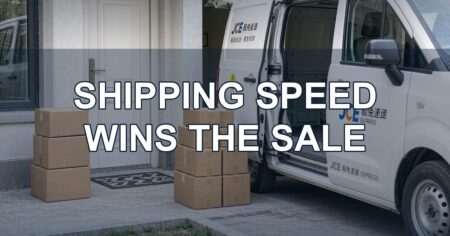
The last stage is yours, and it is where the journey pays or teaches. First thing I do with any delivery: sort and count against the manifest the same week, photograph discrepancies, and report within the supplier's claim window - which is why the receiving process matters more than beginners think. Then the grading trickles down the chain: the clean units list at full resale price, the opened units become open-box lots, the faulty ones go to parts or donation. Nothing in the truck should end its journey in a landfill if the pricing was right, which is the quiet environmental argument for this whole trade.
Why the Journey Matters When You Buy
Once you know the stages, supplier vocabulary stops being marketing and becomes a map. "Overstock, factory sealed" is stage-one goods and deserves stage-one prices plus confidence. "Shelf pulls" is stage-one-adjacent with dust. "Customer returns, untested" is stage-two roulette - legal, profitable for some, but only at prices that assume losses. This is also why I lean on curated FBA-fulfilled lots over mystery pallets: someone has already done the stage-three sorting, the stock counts are real, and the manifest-reading guide applies lightly rather than desperately. The condition grades explainer pairs with this piece if you want the vocabulary nailed down.
How Curated Lots Shorten the Journey
The journey above is why I mostly buy curated FBA-fulfilled lots rather than mystery pallets. A lot like the keychain packs with 960 in stock has already been counted, photographed and listed by SKU - stages three and four compressed into a product page with a real stock count. Deep, factory-sealed runs like the cleaning kit lot at 7,000 pieces behave like stage-one overstock: predictable condition, no manifest roulette, pricing you can model honestly. That predictability is worth a few cents per unit over untested returns stock, the same way an inspected used car is worth more than one sold as-is. If you do want the full truckload experience eventually, start with one pallet, not one truck, and run the receiving process religiously. Order and stock-list questions run through the How to Order page, and more market-structure reading sits on the Insights hub.
If you buy graded lots rather than full pallets, the journey still shows - just in smaller tells. A factory-sealed lot like the UK cat bed clearance behaves like stage-one goods: uniform, predictable, listable at confident prices. Shelf-pull or open-box lots deserve the stage-two discount and the honest condition note in your listing. Match your price to the stage the goods actually came from, and the occasional surprise works in your favor instead of against it. The journey never really ends - it just changes owners, and the margin goes to whoever reads it best.
Is untested returns stock ever worth buying?
For experienced buyers at deep discounts, yes - the math works when losses are priced in. For a first or second truckload, graded overstock or shelf pulls teach more per dollar lost.
Why do manifests sometimes disagree with the pallet?
Counts and conditions were captured upstream in a high-volume sort, then goods travel and get handled. Treat manifests as strong hints and verify on arrival within the claim window.
What grade should a new reseller start with?
Overstock and shelf pulls - sealed or never-sold goods with predictable condition. Add customer-returns stock only once you can absorb and sort losses calmly.
How fast should I check a delivery?
Same week, always. Every supplier sets a claim window, and a discrepancy reported inside it is recoverable; one reported after it is a lesson.



Reply